TrustTracker / Research themes

Trust is part of public health.

Healthcare depends on more than services and treatments. It also depends on who feels heard, who believes the advice, and whether everyday working conditions support wellbeing.

A person using a laptop while seated at home

What we’re learning.

01

The same policy can meet different experiences

Our health and vaccination studies examine differences associated with religion, ethnicity, politics and trust.

02

Work and wellbeing belong in the picture

In Japan, increased home working was associated with severe distress among health and welfare workers; the same pattern was not evident in other sectors.

03

Evidence can travel into practice

Our religion and vaccination research is cited in the UK Health Security Agency’s national health equity audit.

The home-working association differs by sector.

Adjusted odds of severe psychological distress among workers reporting more home working than before the pandemic, compared with those who did not.

https://doi.org/10.1016/j.jadr.2026.101215 | Japan, 16 monthly surveys, September 2022–December 2023. Points are adjusted odds ratios; lines show 95% confidence intervals. Complete-case models: other sectors n=11,271; health and welfare services n=1,651. Severe distress: K6 ≥13 (0–24 scoring). The dashed line at 1 indicates no association. These observational associations do not establish that home working caused distress. image/svg+xml Matplotlib v3.10.8, https://matplotlib.org/ 0.5 1.0 1.5 2.0 2.5 3.0 3.5 4.0 Adjusted odds ratio (95% confidence interval) Other sectors Health & welfare services 1.05 (0.91–1.20) 2.25 (1.49–3.41) Pickering, Hansen & Sunahara (2026), Journal of Affective Disorders Reports, Table 5

Japan, 16 monthly surveys, September 2022–December 2023. Points are adjusted odds ratios; lines show 95% confidence intervals. Complete-case models: other sectors n=11,271; health and welfare services n=1,651. Severe distress: K6 ≥13 (0–24 scoring). The dashed line at 1 indicates no association. These observational associations do not establish that home working caused distress.

Source: Pickering, Hansen & Sunahara (2026), Journal of Affective Disorders Reports, Table 5 →

Read the chart values
The home-working association differs by sector. Adjusted odds ratio (95% confidence interval)
SectorAdjusted odds ratio95% CI lower95% CI upperModel observations
Other sectors1.050.911.211271
Health & welfare services2.251.493.411651

Why it matters.

Understanding whose experiences differ can help public bodies ask better questions about communication, access and working conditions. The research connects public trust with the settings in which people live and work.

The research behind the findings.

All publications →
A person using a laptop while seated at home

Japan · 2026

Working from home and mental health: does your sector matter?

Increased home working was associated with severe distress among health and welfare workers in Japan; the same pattern was not evident in other sectors.

Journal of Affective Disorders Reports

Religious opposition to vaccination

England · 2024

Trust, religion and vaccination: The role of religion and COVID-19 vaccine uptake in England

Religious affiliation is associated with COVID-19 vaccine uptake in England. We explore differences between groups.

Vaccine (42)

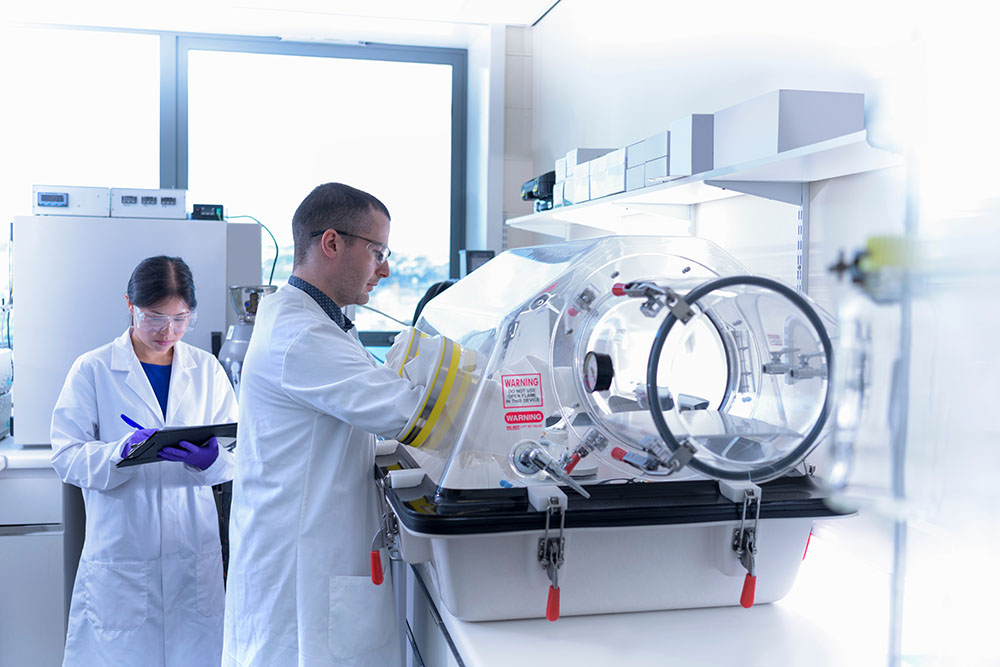
Scientists in lab

England · 2025

Trust in Doctors and Scientists: The Roles of Faith, Politics, Education and Gender

Faith, political identity, education and gender help explain differences in trust in doctors and scientists.

Public Understanding of Science

Ambulances queueing outside a hospital

England · 2024

Trust and waiting for health-care

Waiting times and sociopolitical factors help explain public trust in the NHS in England.

Public Health in Practice, 7

A blue NHS sign mounted on the exterior wall of a healthcare building.

England · 2026

Trust, ethnicity and the NHS

Ethnic differences in trust and patient satisfaction reveal how experiences of healthcare vary across communities in England.

PLoS One

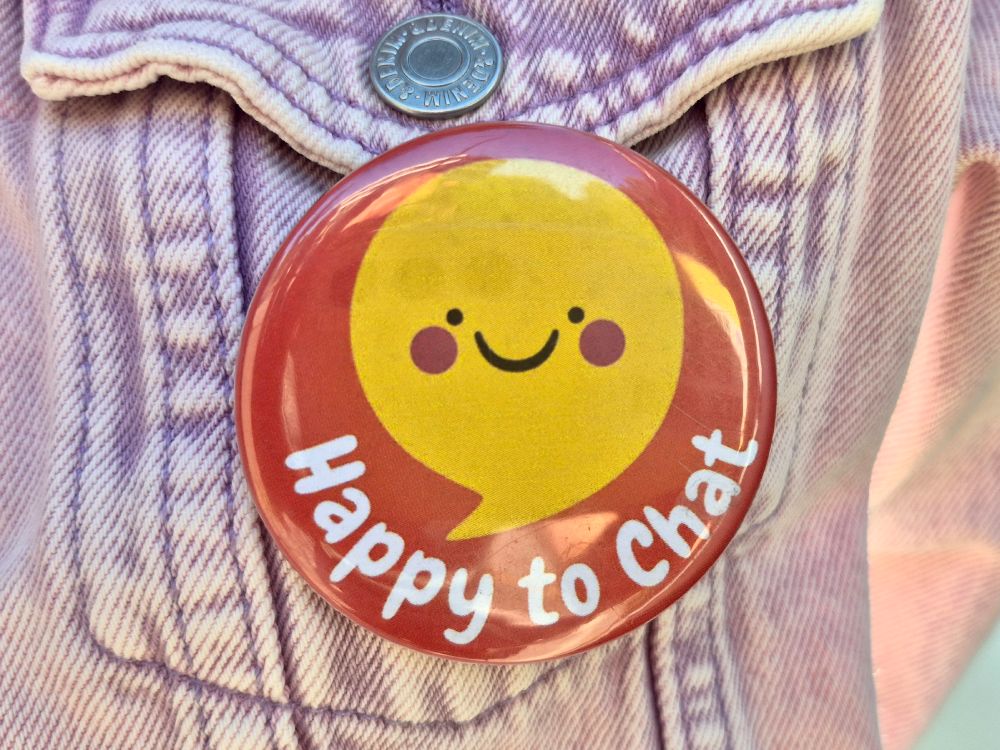
A Happy to Chat badge pinned to a denim jacket.

England · 2026

Can a badge get strangers talking?

Can a simple “Happy to Chat” badge encourage conversations between strangers? We examine a small intervention with implications for social connection.

Journal of Happiness Studies

Where we’re going next.

We are investigating remote-work motivations, vaccination and populism, health-system trust and psychological distress. These projects extend the questions raised by our published findings.

Beyond the journal.

All media & impact →

The survey programme and open data.

Read about the survey design and research team, or access the data and replication code.

About the research →   Open data & code →

Research support

The original TrustTracker research programme was supported by the Japan Society for the Promotion of Science (JSPS, grant reference JPJSJRP 20211704) and the UK Research and Innovation's Economic and Social Research Council (UKRI-ESRC, grant reference ES/W011913/1).

JSPS and UKRI/ ESRC logos